
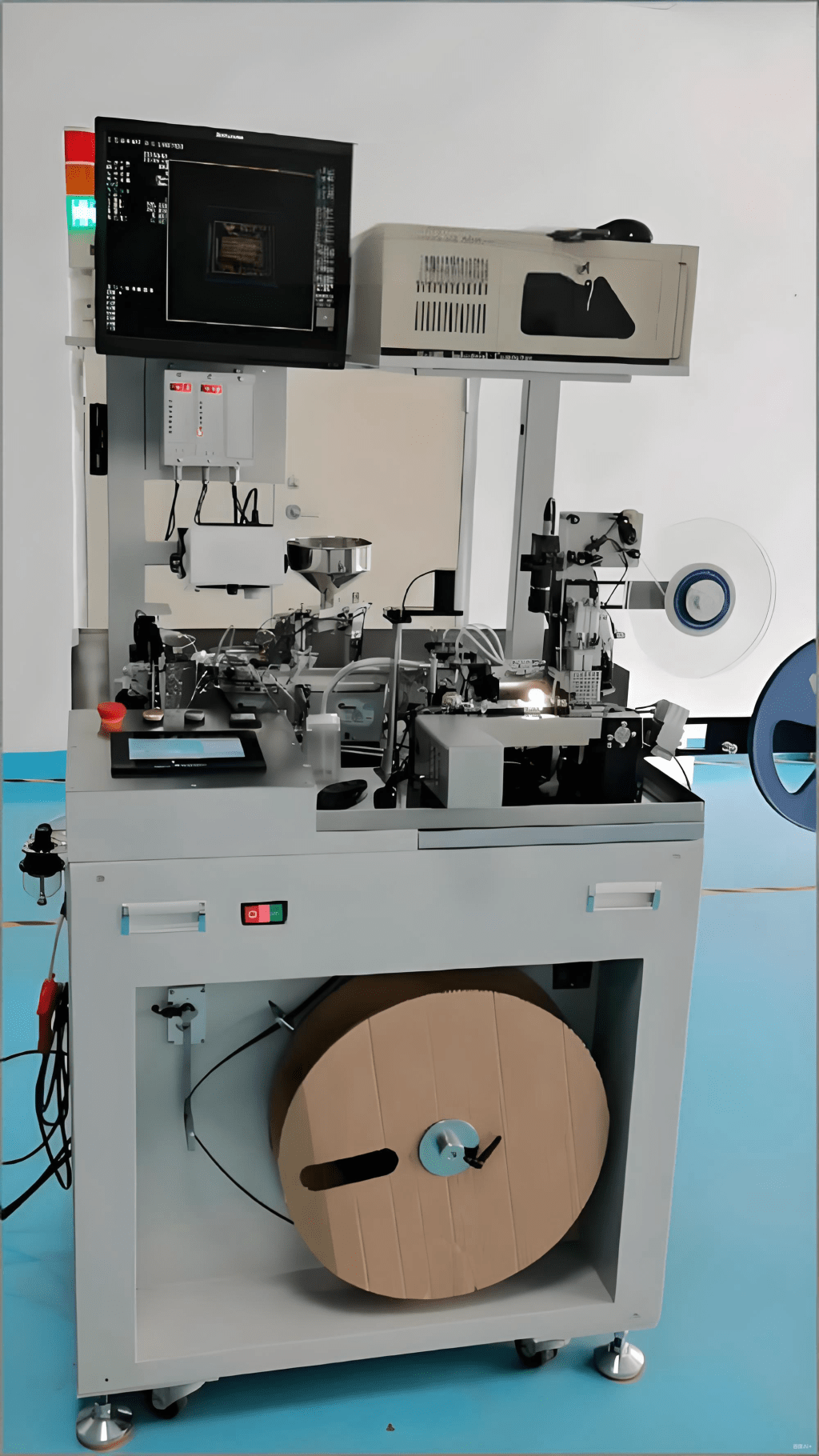


1. Introduction to Preventive Maintenance
Preventive maintenance for tape and reel machines ensures continuous, high-quality SMT packaging and minimizes production downtime. A structured schedule helps operators identify potential issues before failure occurs, saving cost and improving overall equipment effectiveness (OEE).
Table of Contents
- 1. Introduction to Preventive Maintenance
- 2. Daily Maintenance Tasks
- 3. Weekly Maintenance Routine
- 4. Monthly and Quarterly Checks
- 5. Troubleshooting and Common Issues
- 6. Safety Guidelines and SOP
- 7. MES Integration and Data Logging
- 8. Case Study: Extending Machine Lifespan
- 9. Summary and Best Practices
- 10. Internal Links and Resources
Unlike corrective maintenance—which only happens after breakdowns—preventive maintenance is proactive, data-driven, and consistent with modern lean manufacturing standards.
2. Daily Maintenance Tasks
Daily preventive checks focus on visual inspection, cleanliness, and functional verification. Operators should perform these tasks at the start and end of every shift to ensure smooth operation. Daily Checklist
- Clean all tape feeding guides and cover sensors.
- Inspect tape path and pocket alignment.
- Check reel tension and sprocket wheel condition.
- Ensure the vacuum nozzle is not clogged.
- Record any abnormalities in the maintenance logbook.
Operator Tips
Always wear anti-static gloves and clean surfaces using lint-free wipes and isopropyl alcohol. Maintaining a consistent daily routine prevents contamination that affects tape adhesion and feeding accuracy.
3. Weekly Maintenance Routine
Weekly preventive maintenance focuses on calibration, cleaning of internal components, and checking wear-prone parts such as sprockets, rollers, and sensors. Weekly Inspection Steps
- Calibrate feeder pitch and pocket depth.
- Lubricate gear sets and linear guide rails.
- Inspect the air pressure regulator for leaks.
- Clean and test photoelectric sensors.
- Check the reel winding motor temperature and torque.
4. Monthly and Quarterly Checks
Monthly or quarterly tasks involve in-depth inspection, performance testing, and software updates. Preventive schedules should be tracked in an MES or CMMS system for accountability. Monthly Maintenance Actions
- Replace worn belts and O-rings.
- Update firmware and recalibrate machine settings.
- Inspect ESD grounding connections.
- Verify temperature and humidity logs in the taping environment.
- Analyze machine cycle count for predictive alerts.
5. Troubleshooting and Common Issues
Tape Feeding Problems
Misalignment, tape jamming, or missing components are typical issues in high-speed taping lines. Verify that the reel tension and indexing sensors are functioning properly.
Component Misplacement
Re-examine pocket alignment and ensure feeder pitch accuracy. Incorrect calibration often leads to positional errors, which affect downstream SMT processes.
6. Safety Guidelines and SOP
Operator safety must remain a top priority. Proper preventive maintenance also includes safe working practices and lockout/tagout (LOTO) procedures.
- Disconnect power before any mechanical adjustment.
- Follow anti-static protection standards (ANSI/ESD S20.20).
- Wear protective goggles when cleaning with solvents.
- Ensure that emergency stop switches are functional.
7. MES Integration and Data Logging
Integrating your preventive maintenance schedule with a Manufacturing Execution System (MES) helps track performance and ensure regulatory compliance. Data logging enables real-time monitoring, predictive alerts, and traceability of maintenance events.
8. Case Study: Extending Machine Lifespan
One electronics factory achieved a 20% increase in yield stability by introducing a structured preventive maintenance program. They tracked OEE data, used vibration sensors to predict failures, and implemented operator SOP training modules.
9. Summary and Best Practices
To maintain optimal tape and reel machine performance:
- Follow a consistent daily-weekly-monthly schedule.
- Document every maintenance event in digital logs.
- Integrate MES feedback loops for smarter planning.
- Train operators to identify early warning signs.
By doing so, you extend the equipment lifespan, maintain product quality, and reduce unplanned downtime significantly.
10. Internal Links and Resources
For more SMT equipment knowledge, visit:


 SMTPack LAB
为 Mastering Tray Loader: Advanced Operation Tips and Tricks – SMTPack LAB – Automated Taping & Tray Packing for Smd Components 发表评论 取消回复