
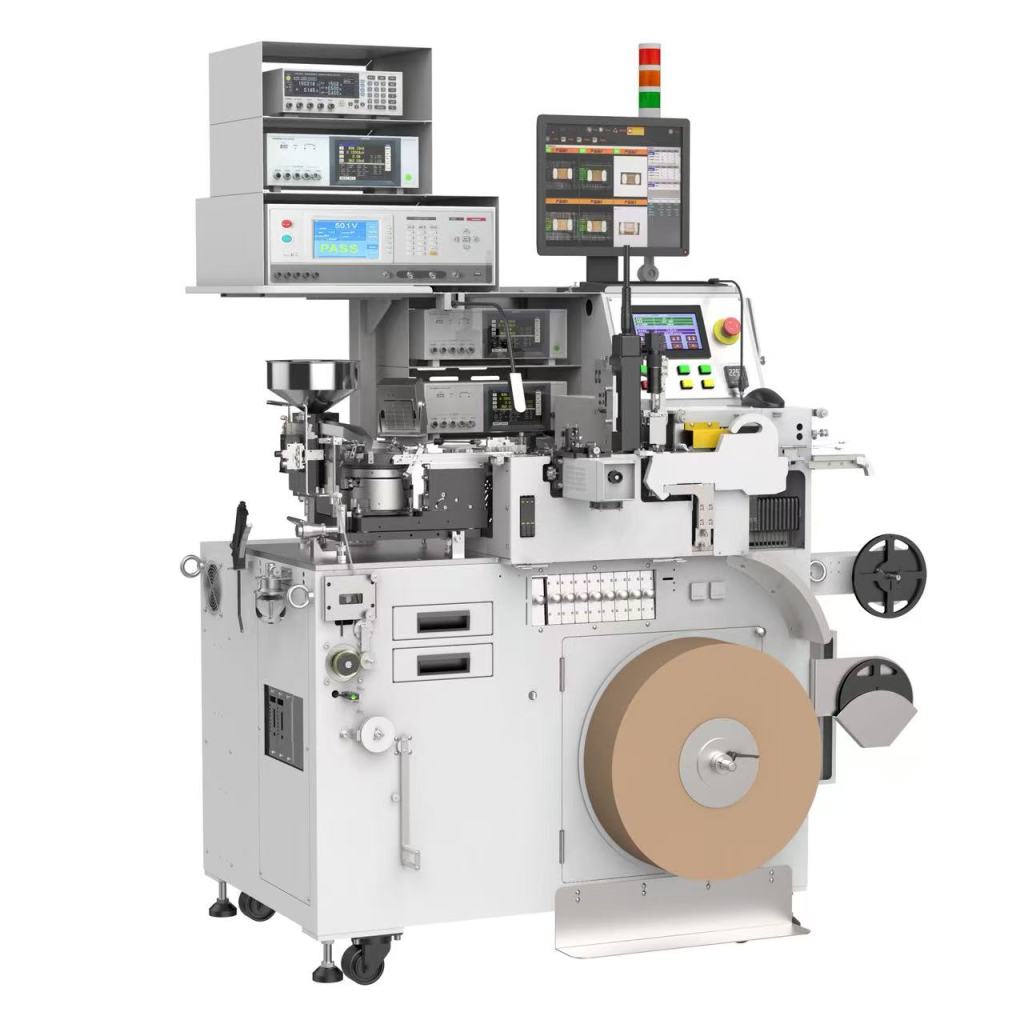


Tape and reel machines are critical components in SMT production lines, enabling automated feeding of components for pick-and-place operations. Loading faults can lead to production delays, misfeeds, and reduced yields. This guide will provide detailed instructions on identifying and resolving common loading faults while improving operational efficiency.
Common Loading Faults
Operators may encounter several types of loading faults, each affecting machine performance. Recognizing these faults early is essential for maintaining production quality.
Misalignment
Components not properly aligned in the tape pockets can jam the feeder mechanism or cause misplacement during pick-and-place. Regularly check tape guides and feeder slots to maintain alignment.
Incorrect Tape Tension
Both over-tightened and loose tape can cause feeding errors. Inspect tension settings before each run and adjust according to manufacturer specifications.
Component Orientation Errors
Components placed incorrectly in pockets can cause pick failures. Verify orientation using visual inspection or automated vision systems where available.
Step-by-Step Troubleshooting
Step 1: Inspect Tape Path
Examine the tape path for debris, twists, or obstructions. Remove any dust or foreign objects and clean rollers and guides thoroughly.
Step 2: Verify Component Orientation
Confirm that all components are correctly oriented in the tape. Adjust feeder settings or manually correct orientation when necessary.
Step 3: Adjust Tape Tension and Alignment
Check the tension of the tape and realign as needed. Use manufacturer-recommended calibration procedures to ensure smooth feeding.
Step 4: Test Feed
Run a short test cycle to confirm the tape feeds correctly. Observe for misfeeds, jams, or skipped components.
Operator Tips
- Always follow standard operating procedures for tape loading.
- Regularly inspect tapes before loading to detect defects early.
- Document recurring issues and share best practices with the team.
- Ensure proper training on machine-specific adjustments and troubleshooting.
Preventive Maintenance
Preventive maintenance minimizes the occurrence of loading faults. Recommended schedules include:
- Daily: Clean tape path, check rollers, verify alignment.
- Weekly: Inspect feeder belts, lubricate moving parts, verify tape tension calibration.
- Monthly: Conduct full machine inspection, test sensors, review operator logs, and replace worn components.
Case Studies
Example: On a high-volume SMT line, repeated misfeeds occurred due to improper tape tension. After adjusting tension and providing operator retraining, error rates decreased by 80%, leading to smoother production flow and higher yield.
Conclusion
Troubleshooting tape and reel machine loading faults requires systematic inspection, proper operator training, and adherence to preventive maintenance schedules. By implementing the steps outlined above, SMT lines can achieve consistent feeding performance, reduce downtime, and improve overall production quality.
For more guidance, visit our Home Page or Contact Us page.


 SMTPack LAB
留下评论