
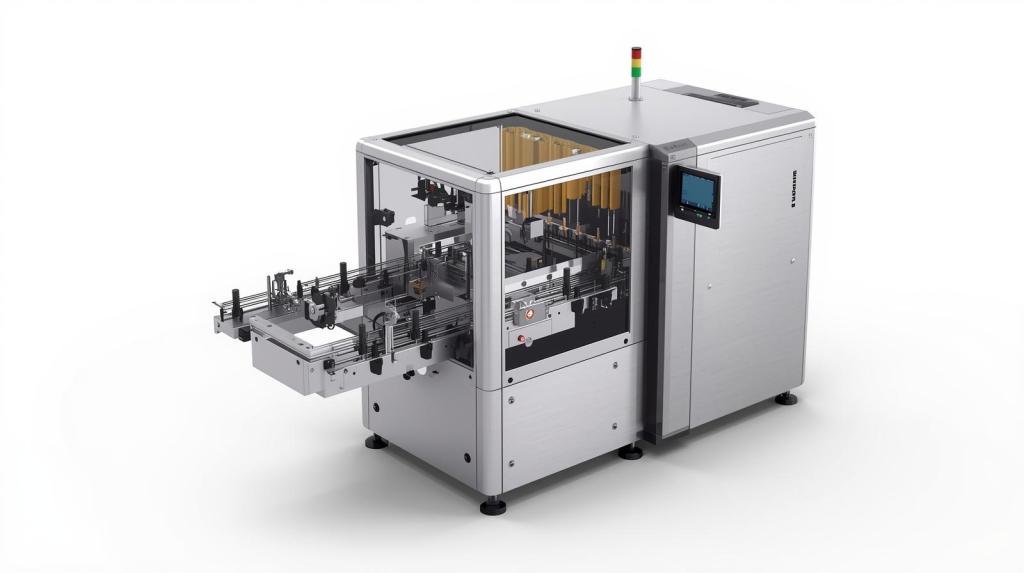


Maintaining a tray loader effectively is essential for achieving reliable output and high efficiency in electronics manufacturing. This guide outlines preventive maintenance strategies, calibration techniques, troubleshooting methods, and operational best practices to ensure your SMT line runs smoothly. Visit SMT Pack Lab for additional expert resources.
Table of Contents
- 1. Importance of Tray Loader Maintenance
- 2. Daily Maintenance Tasks
- 3. Weekly Maintenance Strategies
- 4. Monthly Preventive Measures
- 5. Calibration and Alignment Tips
- 6. Lubrication Best Practices
- 7. Software & System Checks
- 8. Troubleshooting Common Issues
- 9. Record-Keeping and Maintenance Logs
- 10. Best Practices for Long-Term Reliability
- 11. Conclusion
1. Importance of Tray Loader Maintenance
Proper maintenance ensures smooth operation, reduces downtime, prevents mechanical failures, and maintains high yield rates in SMT production. A well-maintained tray loader also extends equipment lifespan and optimizes line efficiency.
2. Daily Maintenance Tasks
- Clean tray guides and remove dust or debris.
- Check sensor alignment and responsiveness.
- Verify proper operation of mechanical and electrical connections.
- Run a short test cycle to detect early issues.
3. Weekly Maintenance Strategies
🔧 Weekly Checklist
- Inspect belts, rollers, and moving parts for wear.
- Lubricate critical mechanical components.
- Check and tighten fasteners and connections.
- Review error logs from software or control system.
4. Monthly Preventive Measures
- Perform detailed inspection of mechanical structure.
- Test and recalibrate sensors and vision systems.
- Check firmware/software updates and implement if needed.
- Replace worn parts to prevent unexpected downtime.
5. Calibration and Alignment Tips
🧭 Calibration Steps
- Align tray guides with pick-and-place equipment.
- Use calibration jigs to verify positioning accuracy.
- Adjust sensors and mechanical stops for precise operation.
- Perform multiple test cycles to confirm stability.
6. Lubrication Best Practices
- Use manufacturer-recommended lubricants on moving parts.
- Apply lubrication consistently to reduce wear.
- Clean old lubricant residues before applying new.
7. Software & System Checks
- Verify tray loader configuration in control software.
- Monitor cycle time and error logs for irregularities.
- Backup settings and parameters regularly.
8. Troubleshooting Common Issues
- Tray misalignment: Check guides and recalibrate if necessary.
- Sensor errors: Clean and verify alignment.
- Unexpected stoppages: Inspect mechanical and electrical connections.
- Software malfunctions: Reload or restore previous stable configuration.
9. Record-Keeping and Maintenance Logs
- Maintain logs of all maintenance tasks performed.
- Document calibration adjustments and part replacements.
- Track operational hours to plan preventive maintenance.
10. Best Practices for Long-Term Reliability
- Train operators and maintenance staff thoroughly.
- Schedule preventive maintenance consistently.
- Use high-quality parts for replacements.
- Monitor performance metrics regularly for early detection of issues.
11. Conclusion
Following these top strategies ensures that your tray loader remains reliable, efficient, and productive over time. Proper maintenance, calibration, lubrication, and troubleshooting are key to sustaining high SMT line performance. For expert guidance and additional resources, contact SMT Pack Lab.


 SMTPack LAB
留下评论