
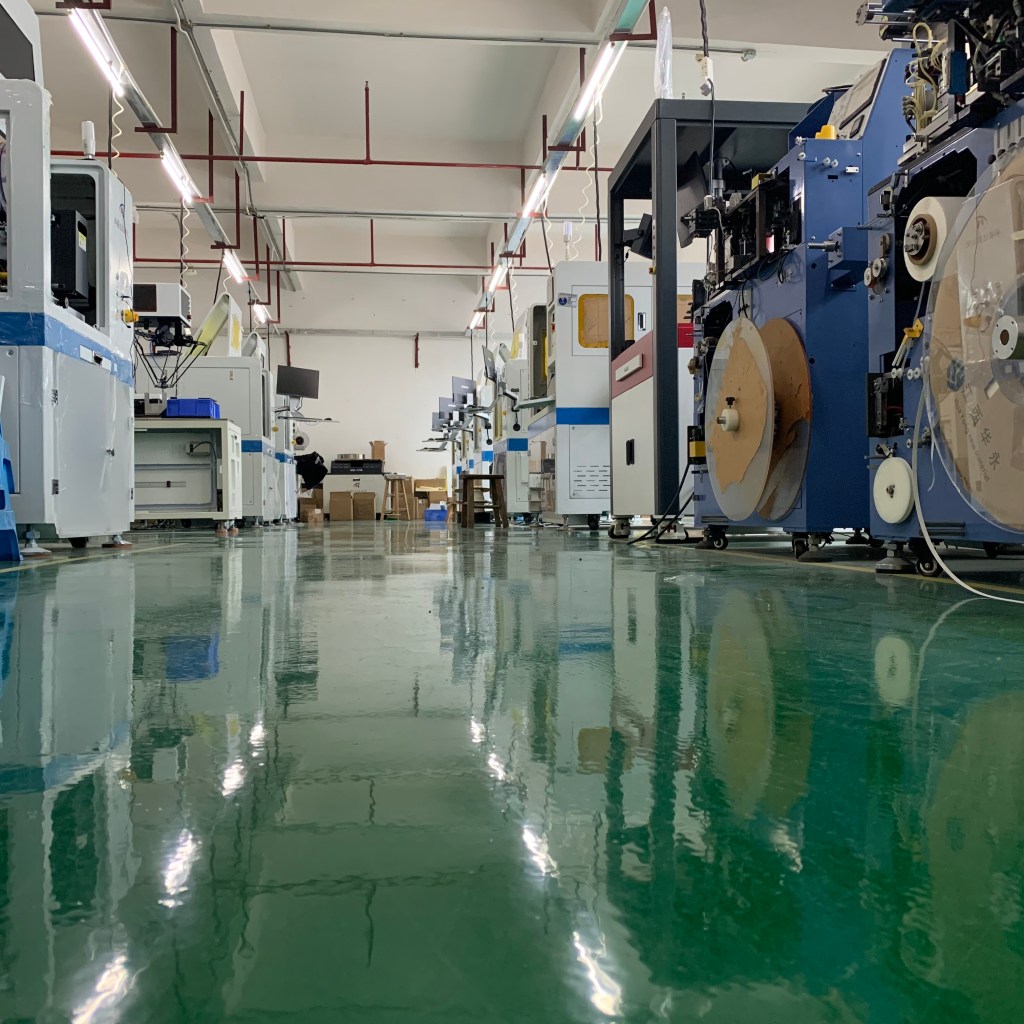


In modern SMT production lines, optimizing tray loader usage is crucial for achieving higher yield and reducing downtime. Tray loaders serve as a vital interface between feeders, pick-and-place machines, and automated inspection systems. By streamlining operational procedures and implementing preventive maintenance, manufacturers can significantly enhance efficiency and throughput.
For more foundational knowledge, refer to SMT Basics and Equipment Selection Guides.
Table of Contents
- Introduction
- Tray Loader Basics
- Operational Steps
- Maintenance Guide
- Common Issues and Troubleshooting
- Best Practices for Yield Optimization
- Conclusion
Tray Loader Basics
A tray loader is designed to automatically feed component trays to the pick-and-place machines. Key components include:
- Tray magazine or input slot
- Stepper motors and conveyor belts
- Sensors for tray presence and orientation
- Control panel and software interface
Understanding these components helps in troubleshooting and operational optimization.
Operational Steps
Preparation
Before operating the tray loader, ensure the following:
- Trays are clean and free of damage.
- Machine is powered on and software initialized.
- Check for proper calibration of sensors and motors.
Detailed Preparation Steps
- Inspect each tray for cracks or warping.
- Verify feeder slots are empty and clean.
- Run a system diagnostics via the control panel.
- Ensure MES connection is active for real-time tracking.
Loading Trays
Proper tray loading ensures smooth operation and minimizes errors. Follow these guidelines:
- Load trays in the correct orientation as indicated by the machine sensor.
- Do not exceed maximum tray capacity to prevent jams.
- Double-check that tray labels match the program recipe.
Step-by-Step Loading Guide
- Align tray with the loader slot carefully.
- Push the tray until sensors confirm it is fully seated.
- Start the loader cycle from the control panel.
- Monitor the first few trays to ensure no misfeeds occur.
Real-Time Monitoring
Monitoring is key to improving yield:
- Check tray alignment sensors continuously.
- Ensure the MES system logs all tray movements for traceability.
- Look out for errors or jam alerts and resolve them immediately.
Maintenance Guide
Regular maintenance reduces unexpected downtime and extends the tray loader’s lifespan. Key tasks include:
- Daily: Clean sensors and conveyor belts.
- Weekly: Lubricate moving parts and inspect for wear.
- Monthly: Perform full calibration and software updates.
For detailed maintenance instructions, see Stencil Design & Maintenance.
Common Issues and Troubleshooting
Some common problems and solutions:
- Tray misalignment: Recalibrate sensors and adjust tray guides.
- Feeder jam: Check for foreign objects and clean belts.
- Software errors: Restart loader and update firmware if needed.
Best Practices for Yield Optimization
Implementing the following practices can improve yield efficiently:
- Use high-quality trays and maintain them regularly.
- Integrate MES for real-time monitoring and traceability.
- Train operators thoroughly on proper loading and troubleshooting procedures.
- Schedule preventive maintenance instead of reactive fixes.
Learn more techniques in Technical Articles for SMT optimization.
Conclusion
Optimizing tray loader usage is not just about speed—it’s about precision, preventive care, and smart monitoring. By following these operational steps, maintenance guides, and best practices, SMT manufacturers can achieve higher yield and smoother production cycles.
For further inquiries, please contact us.


 SMTPack LAB
留下评论