
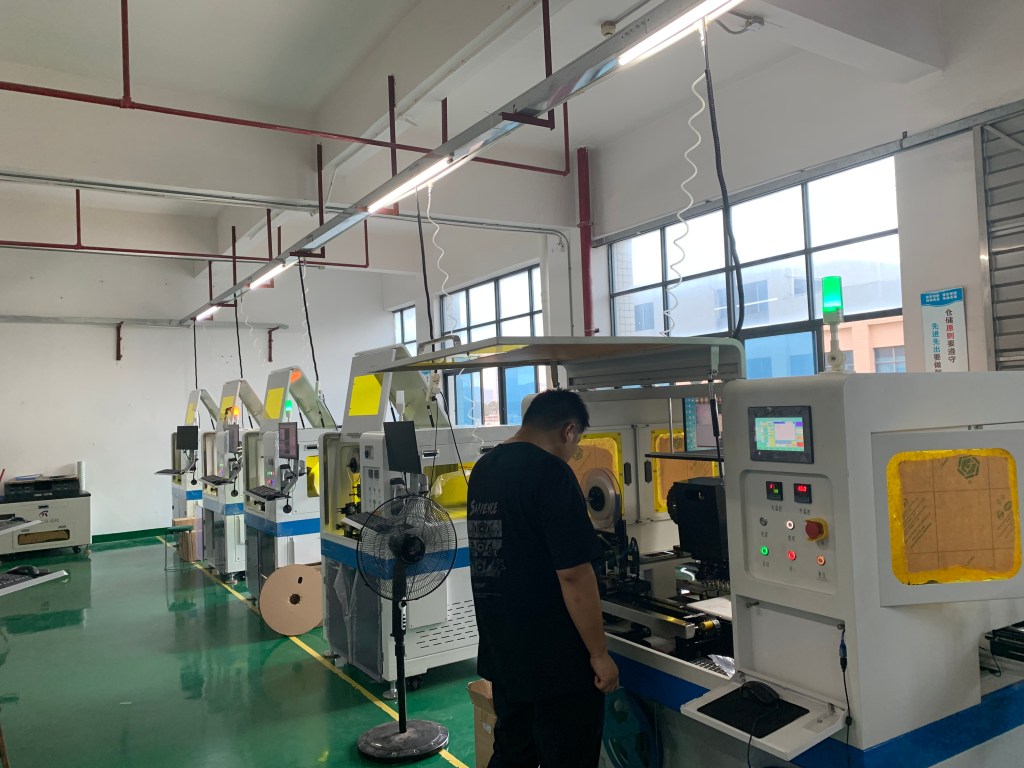


Configuring a tape and reel machine correctly is vital for high efficiency and reliable operation in SMT lines. This guide provides detailed step-by-step instructions covering mechanical, electrical, and software setup, as well as calibration, maintenance, and troubleshooting. For more SMT resources, visit SMT Pack Lab.
Step-by-Step Guide: Configuring a Tape and Reel Machine
Table of Contents
- 1. Introduction to Tape and Reel Machines
- 2. Pre-Configuration Preparation
- 3. Mechanical Installation and Setup
- 4. Electrical Wiring and Safety Measures
- 5. Software Configuration and Integration
- 6. Feeder Calibration and Tape Tension
- 7. Operator Training and SOPs
- 8. Preventive Maintenance Procedures
- 9. Troubleshooting Common Configuration Issues
- 10. Summary and Best Practices
1. Introduction to Tape and Reel Machines
Tape and reel machines are essential in SMT production, enabling automated component packaging and feeding for pick-and-place machines. Understanding the full configuration process is critical for preventing errors, maximizing yield, and maintaining consistent production quality.
2. Pre-Configuration Preparation
- Verify that the installation area is stable, level, and vibration-free
- Ensure all machine components, reels, and feeders are accounted for
- Prepare necessary tools, documentation, and safety equipment
- Check grounding and anti-static measures
- Confirm power supply compatibility with machine specifications
3. Mechanical Installation and Setup
Show/Hide Mechanical Setup Steps
- Mount the reel holder and ensure it is level
- Align the feeders along the tape path accurately
- Inspect rollers, sprockets, and mechanical guides for wear
- Adjust tape tension for smooth feeding without slippage
- Lubricate moving parts according to manufacturer guidelines
- Run a manual test to verify tape movement and component handling
4. Electrical Wiring and Safety Measures
- Connect the power supply according to specifications
- Secure all wiring and connectors
- Verify sensor connections and placement
- Test emergency stop functions and interlocks
- Check for short circuits or potential overloads
5. Software Configuration and Integration
- Update firmware to the latest version
- Configure communication between the machine and SMT controller
- Integrate with MES for real-time production monitoring
- Test feeder control, tape movement, and alert systems
- Document software configuration for repeatability
6. Feeder Calibration and Tape Tension
Show/Hide Calibration Tips
- Calibrate each feeder for accurate component placement
- Set tape tension correctly to avoid jams or skipped components
- Run multiple test cycles to validate calibration
- Document feeder settings for consistent operation
- Replace worn rollers or guides as needed
7. Operator Training and SOPs
- Train operators on proper machine setup, calibration, and troubleshooting
- Provide detailed SOPs covering all setup and operation steps
- Educate operators on safety and anti-static procedures
- Use checklists to maintain consistency and reliability
8. Preventive Maintenance Procedures
- Lubricate moving parts regularly
- Clean tape paths, rollers, and guides
- Inspect sensors, wiring, and electrical connections
- Perform periodic feeder calibration
- Maintain detailed maintenance logs
9. Troubleshooting Common Configuration Issues
- Misaligned feeders causing misfeeds or skipped components
- Loose or damaged electrical connections
- Software configuration errors or MES communication failures
- Improper tape tension causing jams
- Reel holder not secured properly
10. Summary and Best Practices
- Thoroughly prepare the site and tools before starting
- Follow all mechanical, electrical, and software steps carefully
- Train operators using SOPs and checklists
- Implement regular preventive maintenance
- Document all setup and calibration procedures for repeatability
For additional SMT line setup tips and guides, visit SMT Pack Lab or contact our experts for personalized advice.


 SMTPack LAB
留下评论