


Introduction
Surface Mount Technology (SMT) is the cornerstone of modern PCB assembly, enabling high-density and high-speed electronics manufacturing. Companies across the globe are constantly seeking methods to enhance efficiency, minimize defects, and optimize throughput. This case study explores how a mid-sized PCB assembly company improved its SMT line efficiency by integrating advanced automation solutions, including automated pick-and-place machines, vision systems, and real-time monitoring software.
Identifying SMT Challenges
Before implementing automation solutions, the company faced multiple SMT process challenges:
- Manual errors: Operators occasionally misaligned components or misread component codes, leading to defects.
- High defect rates: Inconsistent solder paste application and poor placement accuracy increased rework costs.
- Production bottlenecks: Manual inspections and older equipment limited line speed.
- Lack of real-time data: Production managers had limited visibility into SMT line performance.
These challenges were impacting both the company’s profitability and its ability to meet client deadlines.
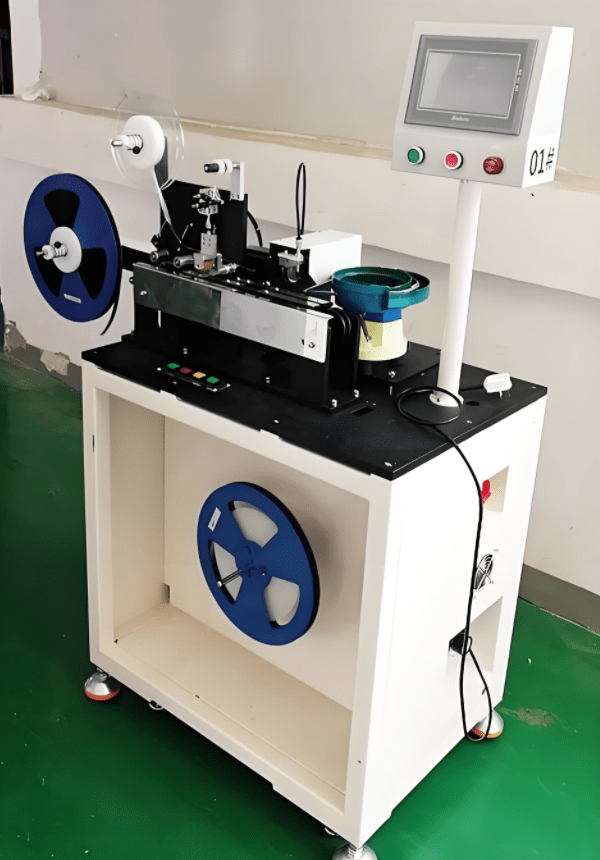
Automation Solutions Implemented
1. Automated Pick-and-Place Machines
The company replaced older manual placement machines with high-speed automated pick-and-place systems. Key advantages included:
- High precision placement of components, including 01005 and fine-pitch ICs.
- Reduced cycle time, allowing faster line throughput.
- Integration with existing conveyor systems for seamless workflow.
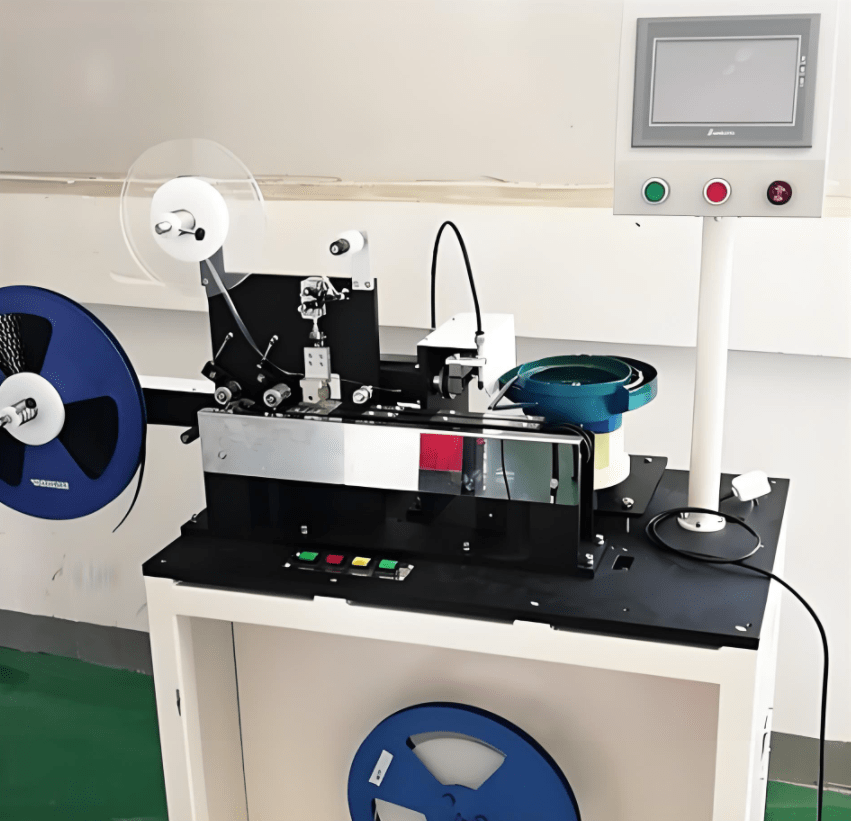
Learn more about tray machines for SMT to optimize component feeding and placement accuracy.2. Automated Optical Inspection (AOI) Systems
AOI systems were deployed post-placement to detect defects early. Benefits included:
- Detection of missing, misaligned, or incorrect components.
- Real-time feedback to the SMT line, reducing rework and scrap.
- Integration with MES software to track defect trends.
Explore more on vision technology in SMT automation for advanced inspection capabilities.3. Solder Paste Inspection (SPI)
SPI machines were used to ensure consistent solder paste deposition, which is critical for high-quality SMT assembly. Advantages included:
- Verification of paste volume and alignment.
- Reduction of tombstoning and insufficient solder joints.
- Early detection of stencil or printer issues.
4. Real-Time Monitoring Software
Implementing monitoring software allowed supervisors to track SMT line performance in real time. Key features included:
- Machine utilization statistics and downtime alerts.
- Production tracking dashboards integrated with MES.
- Data-driven decision making for maintenance and throughput optimization.
Results and Performance Metrics
After deploying these automation solutions, the company observed significant improvements:
- Throughput increased by 35%, reducing production lead times.
- Defect rates dropped by 50% due to AOI and SPI implementation.
- Labor efficiency improved, allowing operators to focus on value-added tasks instead of manual inspection.
- Real-time data analytics enabled predictive maintenance and proactive troubleshooting.
Lessons Learned
Key takeaways from this SMT automation case study:
- Investing in automation significantly improves efficiency and quality in PCB assembly.
- Integration with MES and real-time monitoring is crucial for maximizing ROI.
- Staff training and workflow adjustments are necessary to leverage the full benefits of automation.
- Regular maintenance and calibration of AOI, SPI, and pick-and-place machines ensure consistent performance.
Conclusion
This case study demonstrates that a combination of high-speed pick-and-place machines, AOI, SPI, and real-time monitoring software can dramatically enhance SMT line efficiency. By carefully selecting automation solutions and integrating them into existing processes, PCB manufacturers can reduce defects, increase throughput, and achieve higher profitability.
FAQ
What is SMT automation?
SMT automation refers to the use of machines and software to perform PCB assembly tasks, including component placement, soldering, and inspection, with minimal human intervention.Why is AOI important?
Automated Optical Inspection detects defects early in the assembly process, reducing rework costs and ensuring higher-quality PCB assemblies.How can efficiency be measured?
Efficiency can be measured using throughput, defect rates, labor productivity, and real-time monitoring of machine utilization and downtime.


 SMTPack LAB
留下评论