
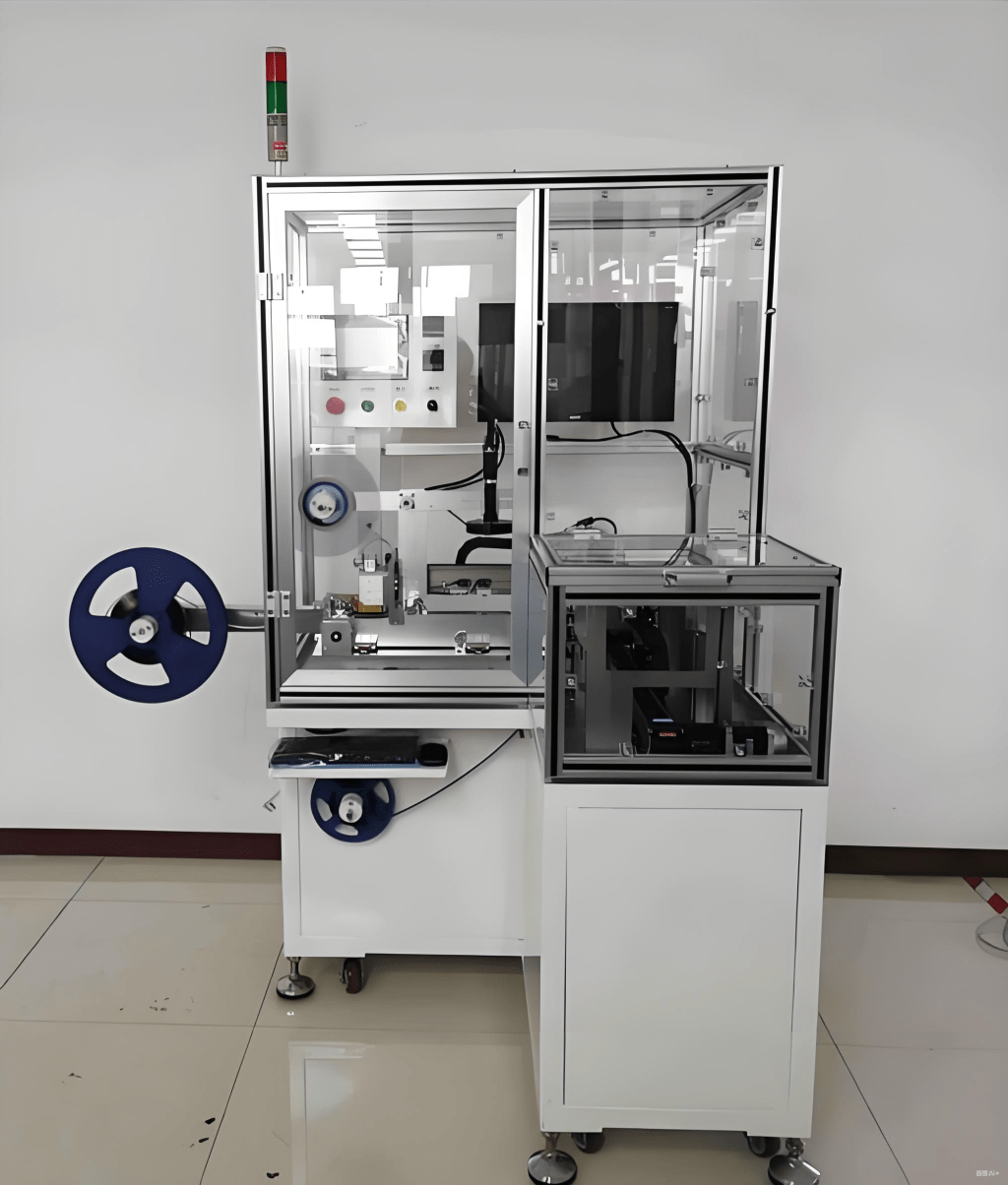


Proper loading of a tape and reel machine is crucial for maintaining SMT line efficiency, preventing misfeeds, and maximizing production yield. This guide outlines the 5 essential steps to load a tape and reel machine effectively. For more SMT insights, visit SMT Pack Lab.
Table of Contents
- 1. Introduction to Tape and Reel Loading
- 2. Step 1: Prepare the Feeder
- 3. Step 2: Align the Tape Correctly
- 4. Step 3: Adjust Tape Tension
- 5. Step 4: Verify Sensor Detection
- 6. Step 5: Conduct a Test Run
- 7. Best Practices and Tips
- 8. Preventive Maintenance
- 9. Summary and Recommendations
1. Introduction to Tape and Reel Loading
Loading tape and reel machines correctly ensures components are fed smoothly, reducing downtime and errors in high-speed SMT production. Correct procedure also extends the lifespan of feeders and reels.
2. Step 1: Prepare the Feeder
Show/Hide Feeder Preparation
- Clean the feeder and tape path
- Inspect for mechanical wear or damage
- Check the reel holder and locking mechanism
- Verify electrical connections and grounding
- Ensure proper feeder type is selected for component size
3. Step 2: Align the Tape Correctly
- Place the tape in the correct orientation
- Ensure sprocket holes align with feeder teeth
- Guide the tape smoothly through the path
- Check for twists or folds in the tape
- Confirm component polarity if applicable
4. Step 3: Adjust Tape Tension
- Set appropriate tension to prevent tape slippage
- Ensure tape moves smoothly without pulling on components
- Check tension for long and short reels
- Adjust tension gradually while observing feeder movement
- Verify smooth reel rotation during manual test
5. Step 4: Verify Sensor Detection
- Check all sensors are clean and operational
- Verify sensors detect components accurately
- Adjust sensor sensitivity if needed
- Ensure no false positives or missed detections
- Confirm signal integration with machine software
6. Step 5: Conduct a Test Run
- Run a small batch to verify correct feeding
- Observe tape movement and component pick accuracy
- Adjust mechanical or software settings as necessary
- Document optimal parameters for future use
- Confirm stable performance before full production
7. Best Practices and Tips
- Follow SOPs and checklists for every loading session
- Use proper reel handling to avoid tape damage
- Keep spare feeders and tape spools ready
- Train operators regularly on best loading techniques
- Document errors and improvements for continuous learning
8. Preventive Maintenance
- Regularly clean tape paths, sensors, and rollers
- Inspect feeders for wear and replace worn parts
- Lubricate mechanical parts as recommended
- Maintain detailed maintenance logs
- Check software and firmware updates periodically
9. Summary and Recommendations
- Follow the 5 key steps for efficient tape and reel loading
- Ensure mechanical, sensor, and software readiness
- Perform test runs and adjustments before full production
- Document and monitor parameters for consistency
- Maintain preventive maintenance and operator training
For more SMT optimization guides, visit SMT Pack Lab or contact our experts.


 SMTPack LAB
留下评论