
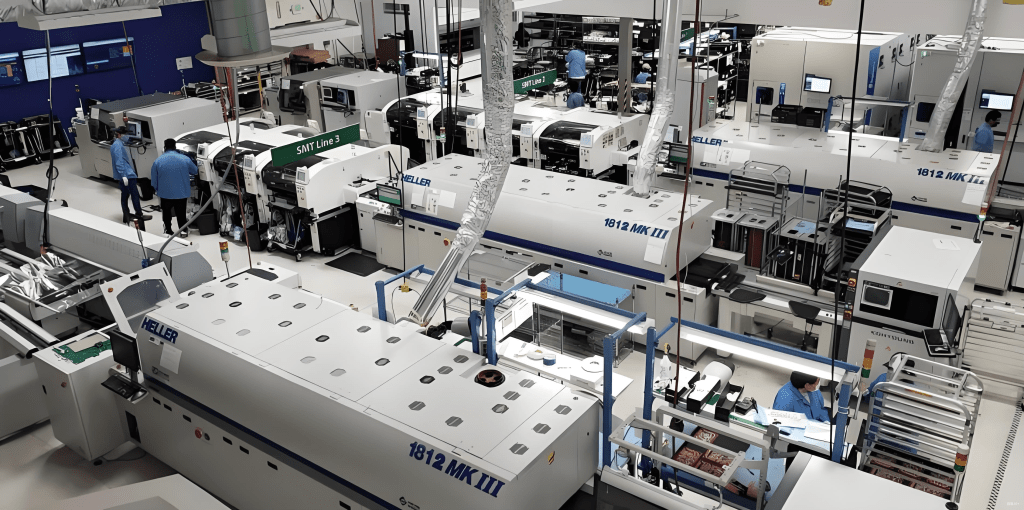


Purchasing high-precision SMT handling machines (taping machines, tray packers, feeders, pick-and-place integration) from Chinese suppliers can offer competitive prices and rapid lead times — but it also requires careful negotiation, thorough quality validation, and robust contractual protections. This guide provides a step-by-step checklist, negotiation tactics, quality controls, contract clauses, logistics considerations, and red flags to watch for when sourcing from China.
1. Preparation — Before You Contact Suppliers
1.1 Define technical specs & acceptance criteria
Document exact requirements: supported component sizes, throughput (pcs/min), pitch range, feeder compatibility, index accuracy (μm), acceptable reject rate, power/air requirements, floor footprint, and environmental tolerances. Use measurable acceptance criteria (IQ/OQ performance numbers) that can be tested during sample runs.
1.2 Calculate TCO, not just unit price
Include tooling costs, spare parts, consumables, installation, training, travel for commissioning, warranty service, spare-parts lead time, and expected maintenance. Lower purchase price but higher downtime or spare-part delays can be more expensive long term.
1.3 Shortlist & background check suppliers
Verify supplier history, factory photos, QA certifications (ISO9001, CE), customer references, export experience, and production capacity. Prefer suppliers with transparent factory tours, English sales engineers, and after-sales infrastructure (local partners or field engineers).
2. Negotiation Strategy & Tactics
2.1 Understand pricing components
Ask suppliers to break down pricing: base machine, control system, vision/inspection modules, custom fixtures, software licenses, packaging, and freight. Negotiate line-item discounts and tie price to defined performance (e.g., payment milestones subject to acceptance tests).
2.2 Leverage MOQ, payment terms & staged payments
Common levers: minimum order quantity (MOQ) for consumables/fixtures, deposits (30% deposit, 40% at factory acceptance test, 30% on delivery), LC vs T/T vs escrow, and performance bonds. For high-value machines, prefer staged payments tied to FAT (Factory Acceptance Test) and SAT (Site Acceptance Test).
2.3 Agree on Incoterms & responsibility
Select Incoterms carefully: EXW is cheapest for buyer but increases buyer’s logistics burden; FOB/CIF/DDP shift responsibilities. For first orders from a new supplier, CIF or DDP with seller arranging export and customs reduces buyer risk.
2.4 Negotiate warranty, spare parts & service SLA
Define warranty length, response time (SLA), spare-parts availability (years guaranteed), and RMA procedure. Ask for on-site commissioning included in warranty, or an explicit service contract with response times (e.g., 48-hour remote diagnosis, 5 business days on-site).
3. Quality Assurance & Validation
3.1 Sample runs and FAT
Require the supplier to run your exact parts at FAT. Document test scripts: throughput verification, accuracy checks, reject rate, orientation inspection, and endurance runs. Record video and signed FAT protocol.
3.2 Third-party inspection & audits
Use third-party inspection (SGS, Intertek) and consider pre-shipment and in-process inspections. For critical systems, arrange supplier factory audit or a third-party audit of QA processes. 3.3 Acceptance checklist (click to expand)
- Functional: Motor function, sensors, control interface.
- Performance: Throughput, placement accuracy, tape/tray integrity.
- Safety: Guards, E-stop, CE/OSHA compliance where applicable.
- Documentation: Schematics, wiring diagrams, software license, user manual.
- Spare parts: List + lead time + suggested stocking qty.
4. Contracts & IP Protection
4.1 Clear technical annexes and acceptance criteria
Attach technical annexes (drawings, BOM, software version, test scripts) to the contract. Spell out penalties for non-conformance and remedies (repair, replacement, refund, or price reduction).
4.2 Protect intellectual property
Use NDAs before sharing detailed designs. In the contract, include clauses for IP ownership, confidentiality, and restrictions on subcontracting. For unique fixtures or software, consider patent/trademark registrations and include explicit non-compete clauses.
4.3 Choose governing law & dispute resolution
Decide whether disputes will be handled in Chinese courts, your local courts, or via international arbitration (e.g., ICC, SIAC). For Chinese suppliers, English + Chinese bilingual contracts and arbitration clauses (Hong Kong/Singapore) are common compromises.
5. Logistics, Customs & Import
5.1 Packaging and shipping considerations
High-precision machines need robust anti-vibration packaging and shock sensors; insure shipments for full replacement value. Confirm crating, lifting points, and export packing lists.
5.2 Import duties, VAT, and testing on arrival
Budget for customs duties, VAT, and local testing/certification (CE, UL) if required. Allow time for customs clearance, local inspection, and site commissioning.
6. Payment & Currency Risk
6.1 Manage FX exposure
Negotiate RMB or USD pricing depending on your currency exposure. Use hedging or forward contracts for large purchases to lock rates.
6.2 Secure payment methods
Letters of Credit (LC) offer protection but are more bureaucratic; consider escrow services for first-time suppliers. Avoid full up-front payment where possible.
7. Communication & Cultural Tips
7.1 Build a relationship (guanxi) but keep records
In China business is relationship-driven. Building trust helps, but always keep written records of agreements and approvals. Use WeChat for daily quick comms but move contractual points to email.
7.2 Language and clarity
Use bilingual documents and ensure technical specs are unambiguous. Where possible have a native speaker review critical clauses and acceptance criteria.
8. Practical Negotiation Tactics
- Anchor low but reasonable: Start with a realistic but lower target price, backed by your TCO analysis.
- Bundle leverage: Ask for discounts on spare parts, training, or extended warranty when you buy multiple units or commit to repeat orders.
- Ask for factory tour & demo: Use factory visit leverage to negotiate better terms after witnessing production capacity.
- Use competing quotes: Obtain 2–3 quotes and share competitively — suppliers often match or improve offers if they know there’s competition.
9. Red Flags & When to Walk Away
- No willingness to run your parts at FAT or provide video evidence.
- Unclear spare-parts availability or unwillingness to list lead times.
- Resistance to contractual acceptance criteria or refusal to provide written guarantees.
- Excessive up-front payment demands without escrow or LC.
10. Final Buyer Checklist (Printable)
Click to expand — Final Checklist
- Complete technical spec sheet and acceptance tests.
- Signed NDA and clear IP clauses.
- Staged payment terms tied to FAT/SAT.
- Warranty, SLA and spare-parts list agreed.
- Factory acceptance test with your parts (recorded).
- Third-party inspection before shipment.
- Crating and shipping plan + insurance.
- Local installation & commissioning plan.
Related internal articles (auto-link placeholders)
The system will try to replace these placeholders with real pages from our site (smtpacklab.business.blog):
Conclusion
Buying high-precision SMT handling machines from China can be cost-effective and fast, provided you prepare thoroughly, negotiate clear terms, insist on technical validation, and protect IP & warranty rights. Use the checklists above, insist on FAT with your parts, and prefer suppliers who offer transparent spare-parts and service capabilities.
Author: SMT PACK LAB · smtpacklab.business.blog


 SMTPack LAB
留下评论