
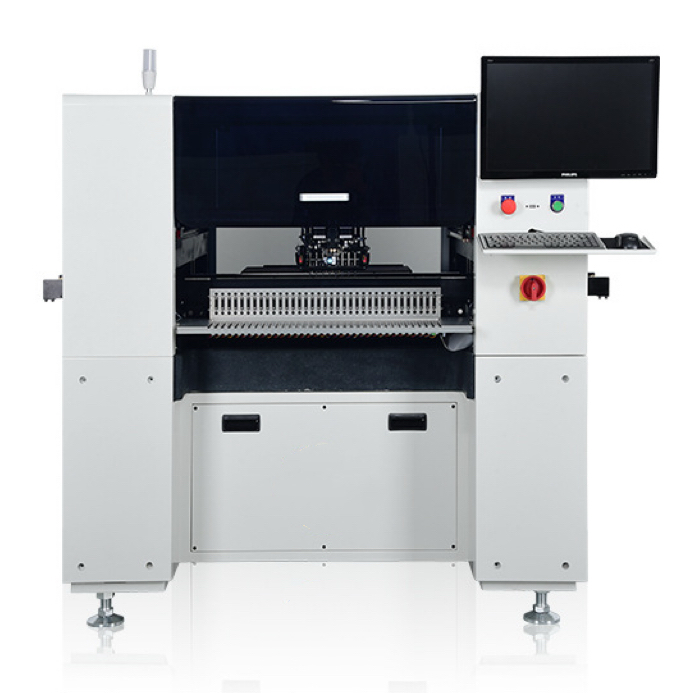


In today’s high‑speed SMT production environments, the durability of your taping equipment directly impacts productivity, quality and downtime. Preventive maintenance is the key to extending the service life of your tray‑feeding and taping machines. This article dives into critical wear‑and‑tear issues, preventive strategies and actionable maintenance workflows for SMT production lines.
1. Why Preventive Maintenance Matters
Equipment failure is not only costly in terms of repair, but more so in lost production, scrap rates and line instability. By shifting from reactive to preventive maintenance, you reduce unplanned downtime, extend machine life and improve overall line efficiency.
Key benefits
- Consistency in feed/tape placement accuracy.
- Reduced scrap and rework.
- Lower long‑term cost per part by maximizing equipment life.
2. Most Common Wear Issues in SMT Taping Equipment
2.1 Tape feeder drive mechanism wear
Symptoms: Tape misfeed, breakage, inconsistent advancement.
Causes: Worn gear teeth, pulley misalignment, lack of lubrication, debris ingress.
Prevention & inspection tips
- Visual inspection of drive gears every 3 months.
- Lubricate per manufacturer intervals and document.
- Install covers to prevent tape dust/matter from entering drive train.
2.2 Reel hub and spindle wear
Symptoms: Tape hub wobble, varying tension, spool slippage.
Causes: Bearing wear in hubs, improper hub compatibility, excessive tension.
Prevention & inspection tips
- Check hub bearings at each major maintenance interval.
- Verify correct hub adapters and pre‑tension settings.
- Record run hours and replace hubs proactively instead of waiting for failure.
2.3 Guide rail, tape path & sensor wear
Symptoms: Tape misalignment, sensor mis‑reads, stalled feeding.
Causes: Scratches in guide rails, sensor drift, tape adhesive buildup.
Prevention & inspection tips
- Clean guide rails weekly, inspect for micro‑scratches.
- Check sensor calibration and replace sensors if drift > 0.1 mm.
- Use proper cleaning solvents to remove adhesive residue.
3. Building a Preventive Maintenance Program
To truly extend equipment lifespan, you need a structured maintenance program encompassing schedules, documentation, and KPIs.
3.1 Maintenance schedule & levels
Divide maintenance into tiers: ➤ Operator daily checks, ➤ Weekly subsystem inspections, ➤ Monthly deep maintenance.
3.2 Documentation & analytics
Keep logs of maintenance actions, failure modes and repair costs. Analyzing historical data uncovers patterns and prevents repeat failures.
3.3 KPI tracking
- Mean Time Between Failures (MTBF) of tape feeders
- Scrap rate due to feeder issues per million placements
- Maintenance cost per 1,000 hours of operation
Sample preventive maintenance checklist (click to expand)
- Daily: Check tape path clear of debris, verify tension
- Weekly: Lubricate drive mechanism, inspect guide rails
- Monthly: Replace worn hubs, calibrate sensors, analyze fault logs
Related Internal Resources
Automatically inserting links to relevant posts…
Conclusion
By proactively managing the health of your SMT taping equipment, you not only reduce unplanned downtime but also maximize machine lifespan and production consistency. Implementing a comprehensive preventive maintenance program is the pathway to sustainable productivity. For assistance or customized maintenance planning, contact SMT PACK LAB today.
Last updated: October 31, 2025 · For SMT production line engineers and equipment maintenance teams.


 SMTPack LAB
留下评论